Understanding the Curing Process for Powder Coating
What is Powder Coating?
Powder coating is a finishing process that applies a dry powder to a metal surface, which is then cured under heat to form a hard, protective layer. This process is especially effective for industrial applications where durability and finish quality are crucial.
The Importance of Curing Conditions
Curing conditions, including temperature, time, and environment, significantly influence the performance of powder coatings on thick steel. Properly controlled curing ensures optimal adhesion, hardness, and resistance to environmental factors.
Steps to Achieve Optimal Curing Conditions
First Step: Pre-Treatment of Steel Surface
Before applying the powder coating, ensure the steel surface is properly pre-treated to remove contaminants and improve adhesion.
Clean the surface using solvents or industrial degreasers.
Use sandblasting or a similar method to remove rust and old coatings.
Rinse and dry the surface thoroughly before proceeding.
Second Step: Selecting the Right Powder Coating
Choose a powder coating formulation that is suitable for thick steel and is designed to withstand the intended service conditions.
Consider factors such as color, texture, and finish type.
Verify compatibility with the steel and the environmental exposure it will face.
Third Step: Optimizing Curing Temperature
Set the oven temperature according to the specifications provided by the powder coating manufacturer. Typically, curing temperatures range from 320°F to 400°F (160°C to 200°C).
Fourth Step: Timing the Curing Process
Follow the manufacturer's recommended time for curing, usually between 10 to 20 minutes depending on the thickness of the steel and the coating type.
Fifth Step: Evaluating the Cured Coating
After curing, examine the quality of the coating to ensure it meets performance expectations.
Tools Required for Powder Coating on Thick Steel
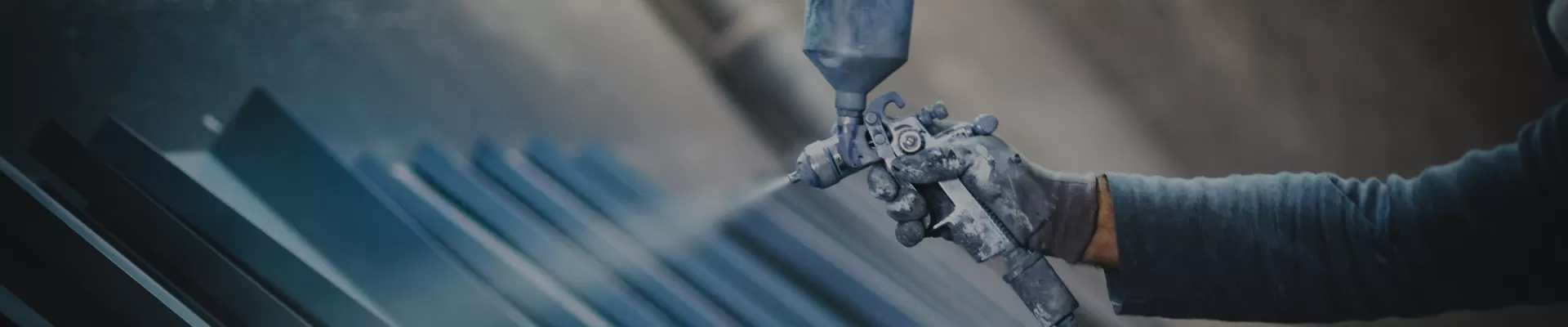
Industrial powder coating spray gun
Powder coating oven
Surface preparation tools (sandblasting equipment, solvents)
Thermometer for temperature checks
Adhesion testing tools
Common Mistakes to Avoid in the Curing Process
Insufficient Surface Preparation
The most common mistake is neglecting proper surface preparation, which can result in poor adhesion and finish.
Incorrect Curing Temperature
Setting the oven temperature too low can lead to incomplete curing, while too high can cause over-cured defects.
Inadequate Curing Time
Underestimating the required curing time can compromise the coating’s durability, while excessive time can warp the steel.
Achieving optimal curing conditions is essential for ensuring that powder coatings perform effectively on thick steel. By following the detailed steps outlined above and understanding the critical factors involved, you can significantly improve the quality and durability of your powder coated finishes. For high-quality powder coating options, consider YD Powder Coating for all your industrial needs.