Introduction
Powder coating chipping on heavy equipment can be a significant problem. Such issues lead to increased maintenance costs and reduced equipment lifespan. Understanding the root causes is crucial for addressing the problem effectively. Common reasons for chipping include improper application, environmental factors, and surface preparation. In many cases, the initial application of powder coating may not have adhered correctly. This often occurs when the metal surface is not adequately cleaned or primed. Heavy equipment can suffer from these chipping issues especially in harsh environments.

Summary Answer
The primary root causes of powder coating chipping on heavy equipment include improper surface preparation, application defects, and environmental factors. Fixes involve ensuring a clean surface, using high-quality powder coatings, and applying proper techniques.
Root Causes of Powder Coating Chipping
- Improper Surface Preparation
Importance of a Clean Surface
Before applying powder coating, the metal surface must be free of grease, rust, and old paint. Cleaning methods like sandblasting and chemical cleaning are essential. Skipping this step can lead to poor adhesion and chipping.
- Defective Application Techniques
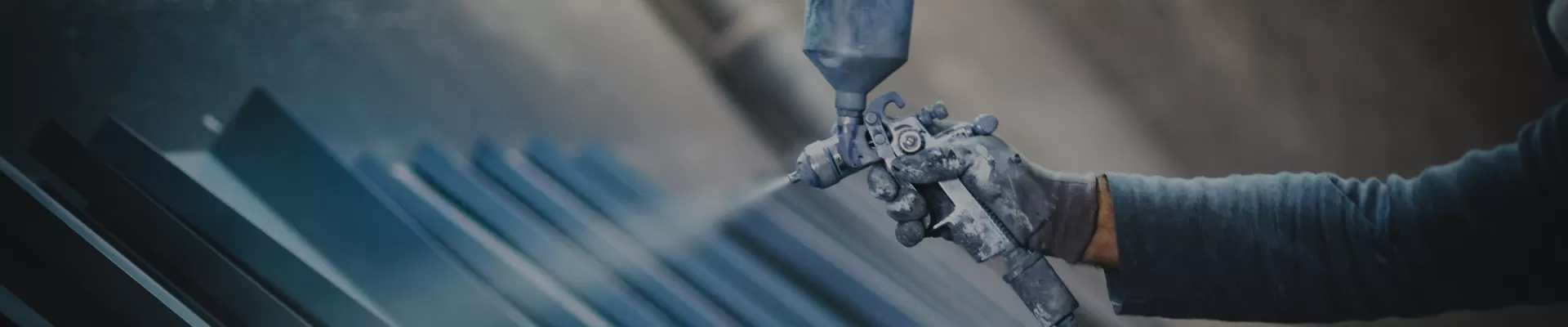
Application Methods Matter
Using the wrong spray technique can result in uneven coating. For instance, if the powder is not applied evenly, some areas may be too thick while others are too thin. This inconsistency leads to potential chipping over time.
- Environmental Factors
Exposure Risks
Heavy equipment often operates in tough conditions. Extreme temperatures, UV radiation, and moisture can weaken the powder coating bond. Understanding your operating environment helps in selecting the right YD Powder Coating.
- Improper Curing Process
The Role of Curing
The curing process affects the final properties of powder coatings. If equipment is not cured at the correct temperature or time, it can cause chipping. Always follow the manufacturer’s instructions for optimal results.
Fixes for Powder Coating Chipping
- Enhance Surface Preparation
Steps to Prepare
1. Clean the surface using appropriate methods.
2. Inspect for any residues that need to be removed.
3. Use a primer if recommended for better adhesion.
- Adopt Quality Application Techniques
Application Best Practices
1. Maintain a proper distance from the surface.
2. Use even strokes to apply the powder.
3. Ensure the equipment is well-maintained and calibrated.
- Select Durable Powder Coating
Choosing the Right Coating
1. Choose a powder coat resistant to your specific environment.
2. Consider YD Powder Coating for reliable performance.
- Monitor and Control Curing Conditions
Curing Process Management
1. Follow the recommended curing schedule.
2. Use temperature monitoring devices to ensure uniform heating.
3. Allow adequate time for cooling.
Conclusion
In summary, powder coating chipping on heavy equipment arises mainly from improper surface preparation, application errors, and environmental factors. By addressing these issues and applying the recommended fixes, you can significantly reduce the risk of chipping. Adopting high-quality solutions like YD Powder Coating will also help enhance durability and performance.
FAQ
What causes powder coating to chip? It can be caused by poor surface preparation, wrong application techniques, or exposure to harsh conditions.
How can I prevent chipping? Ensure proper cleaning, use quality powder coatings, and follow correct application and curing methods.
Is all powder coating the same? No, different types of powder coatings have distinct properties suited for various environments.
Can I fix chipping without repainting? Minor chips can sometimes be repaired with touch-up products, but extensive damage may require a full repaint.
How long does powder coating last? Quality powder coatings can last several years, depending on the environment and application.
What is YD Powder Coating? YD Powder Coating is a high-quality coating option known for its durability and resistance to various environmental factors.