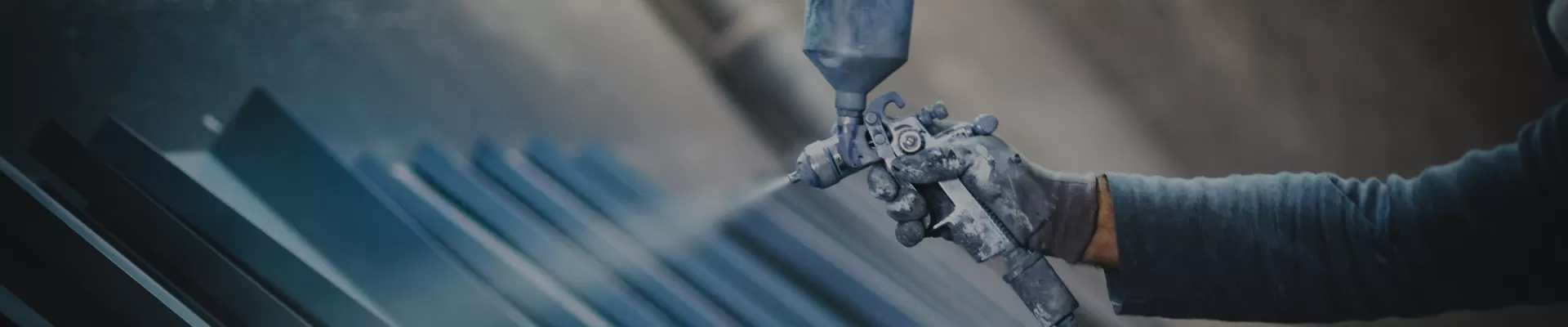
Powder coating is not only a durable and colorful finish but also offers vibrant decorative and special effect powder coatings that can enhance the aesthetic appeal of various objects. However, like any application process, defects can occur, impacting both the visual and structural integrity of the coated item. This guide aims to equip you with actionable insights into common powder coating defects, their causes, and effective troubleshooting strategies for achieving perfect finishes.
Common Powder Coating Defects and Their Causes
- Orange Peel Finish
- Causes: Insufficient flow-out of the powder coating, incorrect spray gun settings, or improper curing temperatures.
- Solution: Ensure optimal gun settings and cure temperatures, and consider using slow-drying powders to improve leveling.
- Pitting
- Causes: Contamination on the surface, incorrect application of powder, or moisture trapped during the application.
- Solution: Ensure surfaces are clean and dry before powder application; inspect the powder feed system for contamination.
- Cracking
- Causes: Excessive film thickness, inadequate curing time, or incorrect powder selection.
- Solution: Adhere to manufacturer guidelines for thickness and curing; choose suitable powders for the application.
- Wrinkling
- Causes: Overheating during curing or a reaction between layers of incompatible coatings.
- Solution: Optimize curing cycles and ensure compatibility of coatings; consult technical data sheets.
- Thin Spots
- Causes: Inadequate powder coverage or improper gun settings leading to uneven application.
- Solution: Adjust the spray pattern and distance, and ensure consistent movement of the spray gun.
- Color Variation
- Causes: Batch variation in powder, differences in substrate material, or curing discrepancies.
- Solution: Use powders from the same batch and calibrate application processes to ensure uniformity.
Effective Troubleshooting Techniques
- Visual Inspections
- Carry out routine inspections of coated items before and after curing to identify defects early.
- Document findings to track recurring issues and enable continuous improvement.
- Test Panels
- Utilize test panels with each new batch of powder to validate color and adhesion before full-scale application.
- Evaluate performance against industry standards and adjust processes accordingly.
- Regular Equipment Maintenance
- Ensure spray guns and curing ovens are regularly serviced to maintain optimal performance and consistency.
- Keep all equipment clean and free from powder residue to reduce contamination risks.
Final Recommendations for Best Practices
- Quality Control Procedures
- Implement a structured quality control process to inspect and test coatings before releasing products.
- Involve team training to enhance understanding of the powder coating process and defects.
- Documentation and Training
- Document all troubleshooting steps and solutions to build a knowledge base for future reference.
- Provide ongoing training for employees on best practices in powder coating and defect management.
Conclusion
By understanding common powder coating defects and employing systematic troubleshooting techniques, you can significantly improve your powder coating processes. Remember, attention to detail and proactive management is key to achieving durable and visually appealing finishes. For further assistance, consider exploring the solutions provided by YD Powder Coating, which specializes in high-quality applications and can help resolve specific coating issues.