When considering powder coating for outdoor industrial installations, users commonly face durability and aesthetic concerns, mainly due to weather exposure and physical wear. The primary intention of users is to find a reliable coating solution that can withstand harsh environmental conditions and maintain its appearance over time. Many struggle to find a balance between cost-effectiveness and longevity in performance. By choosing high-quality powder coating, such as that from YD Powder Coating, industries can achieve improved corrosion resistance and UV stability, leading to a significant reduction in maintenance costs.
Required Preparation for Successful Powder Coating
Before diving into the powder coating process, it’s essential to gather the right materials and tools. Here’s what you’ll need:
- Materials: High-quality powder coating materials, preferably from established brands like YD Powder Coating, which offer a variety of colors and finishes.
- Tools: A sandblasting machine, powder coating spray gun, curing oven, and safety gear (gloves and masks).
- Prerequisites: Knowledge about surface preparation techniques, understanding the powder coating application process, and proper ventilation in the workspace.
Step-by-Step Guide to Outdoor Powder Coating
1. Surface Preparation
Start by cleaning the substrate thoroughly—this could be metal structures or outdoor equipment—removing any grease, dirt, or old paint. A sandblasting machine is ideal for this task as it creates a surface profile which increases adhesion.
2. Masking
Apply masking tape to areas that should remain uncoated. This protects threads or areas where metal will connect. Ensure that the tape is firmly applied to avoid the powder from seeping underneath.
3. Powder Application
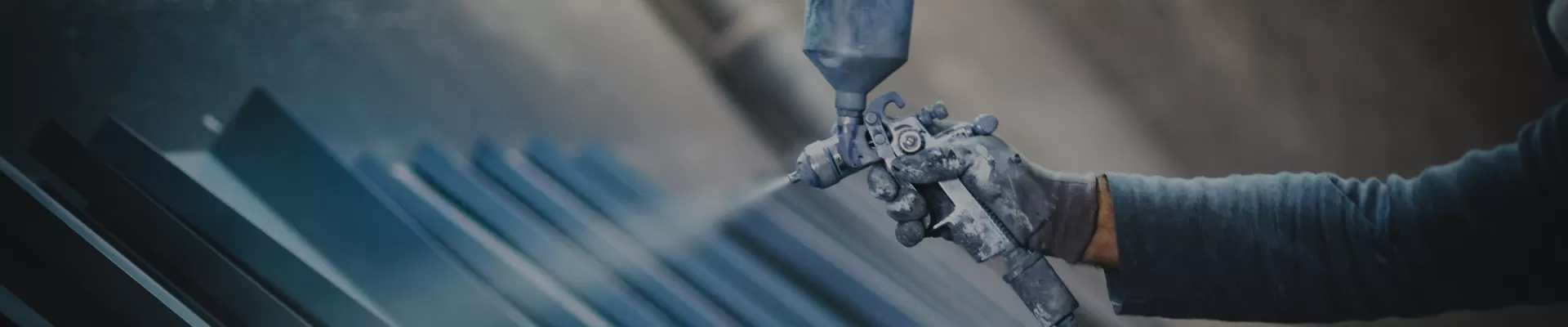
Using a powder coating spray gun, lightly coat the prepared surface. Maintain a distance of 8–12 inches from the surface for an even application. Based on industry standards, a typical layer thickness should be between 2 to 5 mils, depending on the desired finish.
4. Curing
Transfer the coated item to a curing oven preheated at around 375°F (190°C). Typically, it should remain in the oven for 10 to 20 minutes. During this process, the powder melts and chemically bonds to the surface, creating a tough finish.
5. Cooling
Once cured, allow the item to cool naturally before handling. Cooling times can depend on the thickness of the coating and the ambient temperature, but generally, allow at least 20 minutes before moving.
6. Final Inspection
Inspect the coated surface for uniformity in texture and color. A well-applied powder coating should show no imperfections and should meet the required aesthetic and performance standards.
Common Errors and Solutions
Powder coating is a meticulous process, and several common errors can occur:
- Inconsistent Coating: This often results from poor technique or an inferior spray gun. Ensure proper distance from the surface and maintain a steady hand during application.
- Insufficient Curing: If the film isn’t completely cured, it may lead to a soft finish. Use an oven thermometer to ensure proper temperature control during curing.
- Poor Adhesion: Often caused by inadequate surface preparation. Always clean and prime the surface according to industry standards to enhance adhesion.
Summary and Suggestions
In summary, the performance of powder coating in outdoor industrial installations hinges on meticulous preparation, application, and curing processes. Choosing high-quality products like YD Powder Coating can dramatically enhance durability and aesthetic longevity. Users are encouraged to maintain stringent surface preparation and application protocols, backed by the right tools and knowledge. Continuous learning through case studies and experiences can bolster confidence in this effective coating solution.
Frequently Asked Questions (FAQ)
1. How long does a powder coating last outdoors?
When properly applied, powder coatings can last between 10 to 20 years in outdoor environments, significantly outperforming liquid paints.
2. What is the difference between powder coating and liquid paint?
Powder coating is typically more durable and provides a thicker coat than liquid paint, leading to better resistance against UV rays, scratches, and chemicals.
3. Can powder-coated items be repaired?
Yes, although matching the color and finish can be challenging. Minor chips can be touched up, but significant damage may require complete re-coating.