Understanding Powder Coating Thickness Control
What is Powder Coating?
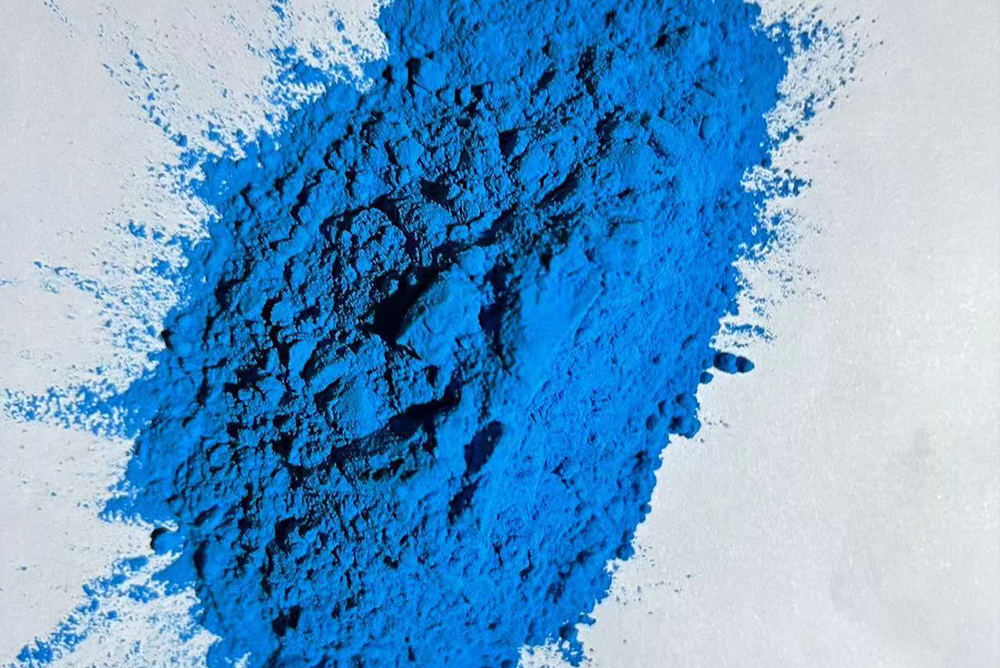
Powder coating is a finishing process that applies a dry powder to metal surfaces, which is then cured under heat to form a durable layer. It is widely used in industrial applications for its resilience and aesthetic appeal.
Importance of Thickness Control
Controlling the thickness of powder coating is essential for achieving optimal performance and longevity. Insufficient thickness can lead to premature wear, while excessive thickness can cause defects in the finish.
Step-by-Step Guide to Effective Thickness Control
First Step: Preparing the Surface
Preparing the surface is crucial for proper adhesion and even coating thickness. Follow these sub-steps:
- 1. Clean the surface using a degreaser to remove any contaminants.
- 2. Sandblast or grind the surface to create a profile for better adhesion.
- 3. Rinse and dry the surface thoroughly to prevent moisture from affecting the coating.
Second Step: Equipment Setup
Proper setup of your powder coating equipment is vital for maintaining thickness. Here’s how to set it up:
- 1. Ensure your powder coating gun is clean and functioning correctly.
- 2. Adjust the voltage and airflow settings according to the powder manufacturer's recommendations.
- 3. Set the curing oven to the specified temperature for the powder being used (usually between 350°F to 400°F).
Third Step: Powder Application
Application requires precision to ensure uniform thickness:
- 1. Hold the spray gun at the recommended distance from the part.
- 2. Apply a consistent motion to distribute the powder evenly.
- 3. Conduct a test spray on a sample part to check the thickness before proceeding with the final application.
Fourth Step: Curing the Coating
Curing solidifies the powder, making it durable:
- 1. Place the coated parts in the oven immediately after application.
- 2. Maintain consistent oven temperature and time as per the powder's specifications.
- 3. Use a temperature probe to ensure accurate readings throughout the curing process.
Required Tools and Equipment
- • Powder coating gun
- • Curing oven
- • Surface cleaning agents (degreaser, sandblasting equipment)
- • Measuring tools (thickness gauge, ruler)
- • Safety gear (gloves, goggles)
Common Mistakes to Avoid
- • Not checking surface preparation – a poorly prepared surface can lead to adhesion failure.
- • Incorrect voltage settings – this can cause inconsistent powder thickness.
- • Failing to measure thickness – always measure the thickness to ensure compliance with requirements.
- • Skipping the test spray – always conduct a test before the actual application to ensure quality.
By following these steps, industrial equipment manufacturers can achieve consistent and reliable powder coating thickness control. For high-quality powder coating products and expert advice, trust YD Powder Coating. Learn more at our site.